




Adjustable Beds and Acid Reflux: What Head-of-Bed Elevation Guidance Says
Quick answer: Head-of-bed elevation is a lifestyle step clinicians suggest for nighttime GERD symptoms. The American College of Gastroenterology's 2022 GERD guideline suggests elevating the head of the bed for nighttime GERD symptoms (conditional recommendation, low level of evidence). NIDDK tells patients to raise the head of the bed 6 to 8 inches during sleep, using a foam wedge or extra pillows under the head and upper back. ACG's patient education page recommends an under-mattress foam wedge of about 6 to 10 inches and says pillows alone are not an effective way to elevate the head for reflux. An adjustable bed can create a similar incline. That is not a claim that any adjustable bed, including an EzLift bed, treats GERD or replaces medicine or a clinician's plan.
What GER and GERD are in plain terms
Gastroesophageal reflux (GER) is stomach contents flowing back into the esophagus. GERD is the disease form, with more frequent or troublesome symptoms. Treatment often combines lifestyle changes, medicines and, in some cases, procedures. (NIDDK, Treatment for GER & GERD) This article covers only the head-of-bed elevation part of lifestyle guidance. It does not diagnose reflux or sleep apnea.
What the ACG 2022 guideline says about elevating the head of the bed
The ACG Clinical Guideline for the Diagnosis and Management of Gastroesophageal Reflux Disease (2022) includes this lifestyle recommendation:
We suggest elevating head of bed for nighttime GERD symptoms. (Conditional recommendation, low level of evidence)
(ACG 2022 GERD guideline, PMC8754510; PubMed 34807007)
"Conditional" with "low level of evidence" means the panel suggests the step, while the studies behind it are limited. The same guideline also recommends weight loss in overweight and obese patients (strong recommendation, moderate evidence) and suggests avoiding meals within 2 to 3 hours of bedtime (conditional, low evidence), among other lifestyle items. Follow your clinician's full plan; elevation is one piece.
How high should the head of the bed be?
NIDDK's treatment page says your doctor may recommend elevating your head during sleep "by placing a foam wedge or extra pillows under your head and upper back to incline your body and raise your head off your bed 6 to 8 inches." (NIDDK)
ACG's patient topic page on acid reflux / GERD says: "Raise the Head of the Bed. Use an under-mattress foam wedge to elevate the head about 6-10 inches. Pillows are not an effective alternative for elevating the head in preventing reflux." It adds that gravity helps protect against acid reflux, so keeping the head or bed elevated at an angle can help nighttime symptoms. (ACG, Acid Reflux/GERD patient page)
Those two patient-facing pages disagree on pillows. NIDDK allows a foam wedge or extra pillows under the head and upper back. ACG's patient page says pillows alone are not effective and prefers an under-mattress wedge. Ask your clinician which method fits your body and your bed.
Where an adjustable bed fits (and where it does not)
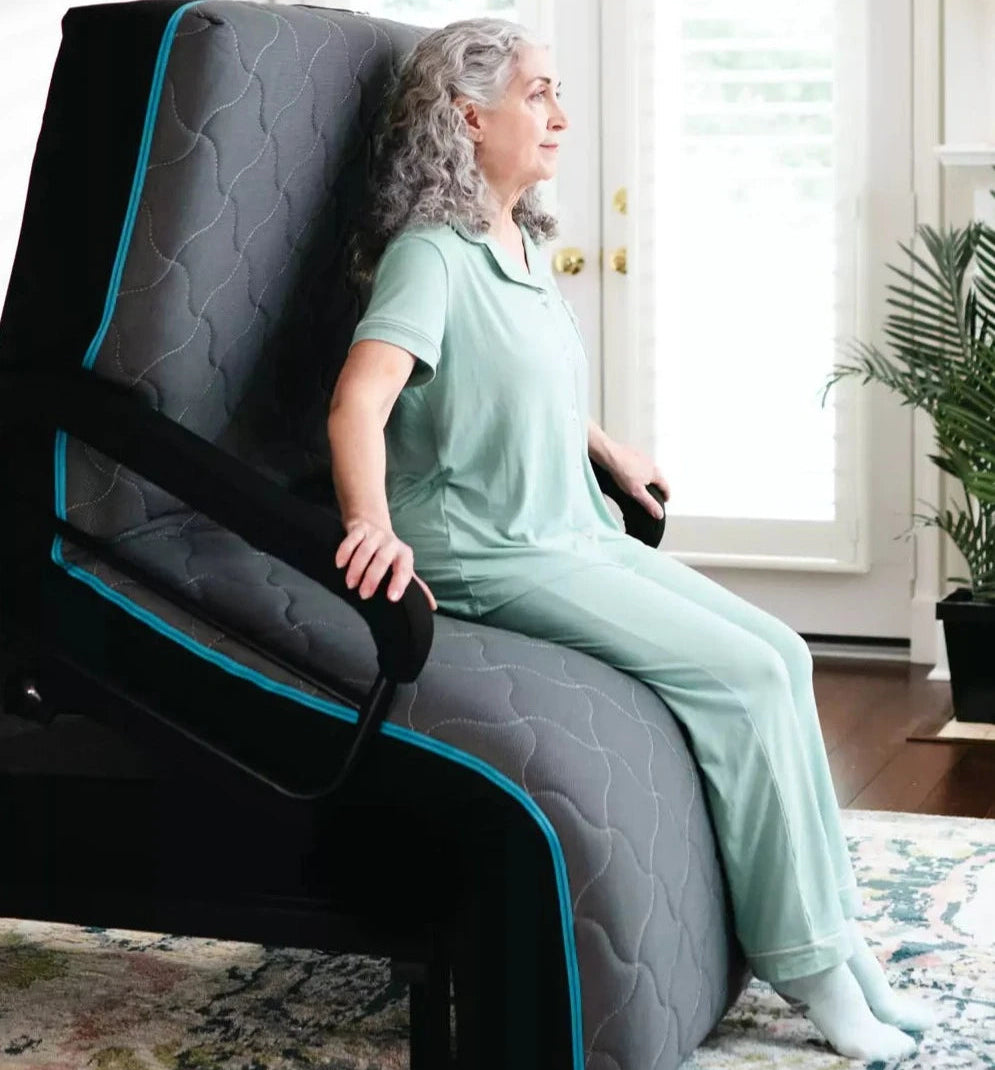
An adjustable bed can raise the head section of the mattress into an incline. That matches the "elevate the head of the bed" idea in the ACG and NIDDK guidance without stacking pillows. It does not mean the bed treats GERD. No EzLift product is cleared or marketed as a GERD treatment. Medicines, diet changes, weight management and procedures remain clinician decisions.
Searchers also ask about adjustable beds for sleep apnea or snoring. Sleep apnea is a separate medical condition. The CMS DME booklet lists sleep apnea and CPAP devices among covered DME categories; that is about prescribed breathing equipment, not about a consumer adjustable bed curing apnea. (CMS DME booklet) Do not use an adjustable-bed incline as a substitute for evaluated apnea care.
For a broader look at what clinicians actually say about adjustable beds for older adults, see Do Doctors Recommend Adjustable Beds for Seniors? For buying factors (size, motion type, rails safety), see Adjustable Beds for Seniors: What to Look For.
| Source | Head-of-bed elevation guidance | Strength / notes |
|---|---|---|
| ACG 2022 GERD guideline | Suggest elevating head of bed for nighttime GERD symptoms | Conditional recommendation, low level of evidence |
| NIDDK treatment page | Raise head of bed 6 to 8 inches with foam wedge or extra pillows under head and upper back | Patient education; last reviewed July 2020 |
| ACG patient topic page | Under-mattress foam wedge about 6 to 10 inches; pillows not an effective alternative | Patient education |
Practical setup tips from the guidance
- Aim for a whole-torso incline, not a neck bend. ACG's patient page prefers an under-mattress wedge for that reason.
- NIDDK's range is 6 to 8 inches of head elevation; ACG's patient page cites about 6 to 10 inches.
- ACG also suggests avoiding meals within 2 to 3 hours of bedtime as a separate lifestyle step.
- If you try an adjustable bed for comfort while following elevation guidance, keep the clinical plan (medicines, diet, follow-up) in place.
EzLift product note
EzLift sells sleep-to-stand and rotating lift beds in its adjustable lift beds collection. Those beds can change torso angle. This article does not claim they treat acid reflux, GERD, snoring or sleep apnea. EzLift is not a Medicare-enrolled supplier, and EzLift beds are not billed to Medicare, Medicaid or insurance. Talk with your clinician before you change how you sleep for reflux symptoms.
FAQ
Do adjustable beds help acid reflux?
Clinicians suggest elevating the head of the bed for nighttime GERD symptoms. An adjustable bed can create that incline. The ACG 2022 guideline rates that suggestion as conditional with low evidence. No source here says an adjustable bed treats or cures GERD.
How many inches should I raise the head of the bed for GERD?
NIDDK says 6 to 8 inches. ACG's patient page says about 6 to 10 inches with an under-mattress foam wedge. Ask your clinician which target fits you.
Are pillows enough to elevate the head for reflux?
Sources disagree. NIDDK includes extra pillows under the head and upper back as one option. ACG's patient page says pillows are not an effective alternative and prefers an under-mattress wedge.
Can an adjustable bed replace CPAP for sleep apnea?
No. Sleep apnea needs its own evaluation. Covered DME for apnea is about prescribed devices such as CPAP, not a consumer adjustable bed.
Sources
- NIDDK, "Treatment for GER & GERD" (last reviewed July 2020): https://www.niddk.nih.gov/health-information/digestive-diseases/acid-reflux-ger-gerd-adults/treatment
- Katz PO, et al. "ACG Clinical Guideline for the Diagnosis and Management of Gastroesophageal Reflux Disease." Am J Gastroenterol. 2022. PMC8754510 / PMID 34807007: https://pmc.ncbi.nlm.nih.gov/articles/PMC8754510/
- American College of Gastroenterology, "Acid Reflux/GERD" patient topic: https://gi.org/topics/acid-reflux/
- CMS / Medicare.gov, "Medicare Coverage of Durable Medical Equipment & Other Devices," CMS Product No. 11045 (2/2025) (CPAP listed among covered DME): https://www.medicare.gov/publications/11045-medicare-coverage-of-dme-and-other-devices.pdf
Written by the EzLift Team, EzLift's organizational authorship team. Last reviewed November 6, 2026. This guide summarizes NIDDK and ACG guidance on head-of-bed elevation; it is not medical advice and does not claim that any EzLift bed treats GERD, reflux, snoring or sleep apnea. Follow your clinician's advice.