



Does the VA Pay for a Hospital Bed or Lift Bed?
Sometimes. VA health care can provide a hospital bed for a veteran's home when a VA clinician decides it's medically needed. But VA's rules treat hospital beds and ordinary beds very differently, so whether VA will provide a particular lift bed or sleep-to-stand bed comes down to how VA classifies it and what the veteran's medical records show.
This guide walks through the federal regulations VA uses for home medical equipment, who is eligible, how VA works alongside Medicare, and the questions to ask your VA care team before you buy anything. It is general information drawn from federal regulations and VA.gov, not legal or benefits advice. EzLift does not decide whether VA will provide or pay for any equipment.
The short answer: hospital beds yes, household beds no
VA provides prosthetic and rehabilitative items and services under a set of regulations at 38 CFR 17.3200 through 17.3250, which took effect in February 2021. Read the final rule in the Federal Register.
Those rules define "home medical equipment" as a movable, durable medical device used at home to treat or support treatment of specific medical conditions, and they name hospital beds as an example, along with portable patient lifts, portable ramps and ventilators. The same definition says home medical equipment does not include household furniture or furnishings. In a separate definition, the regulation lists "non-hospital beds" as an example of household furniture, alongside tables, chairs and lamps. Read the definitions in 38 CFR 17.3210.
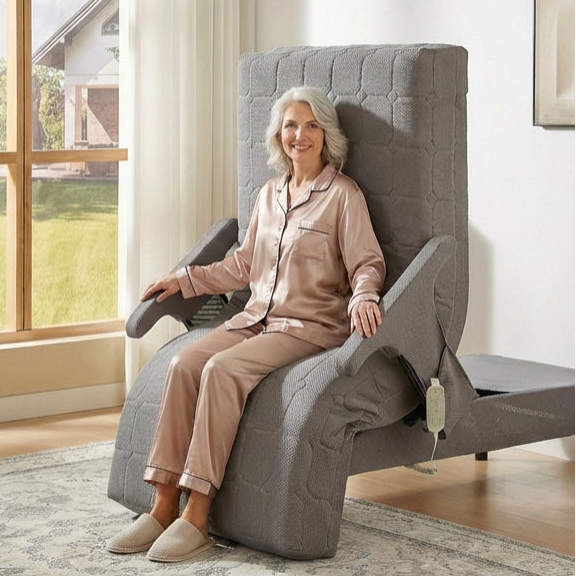
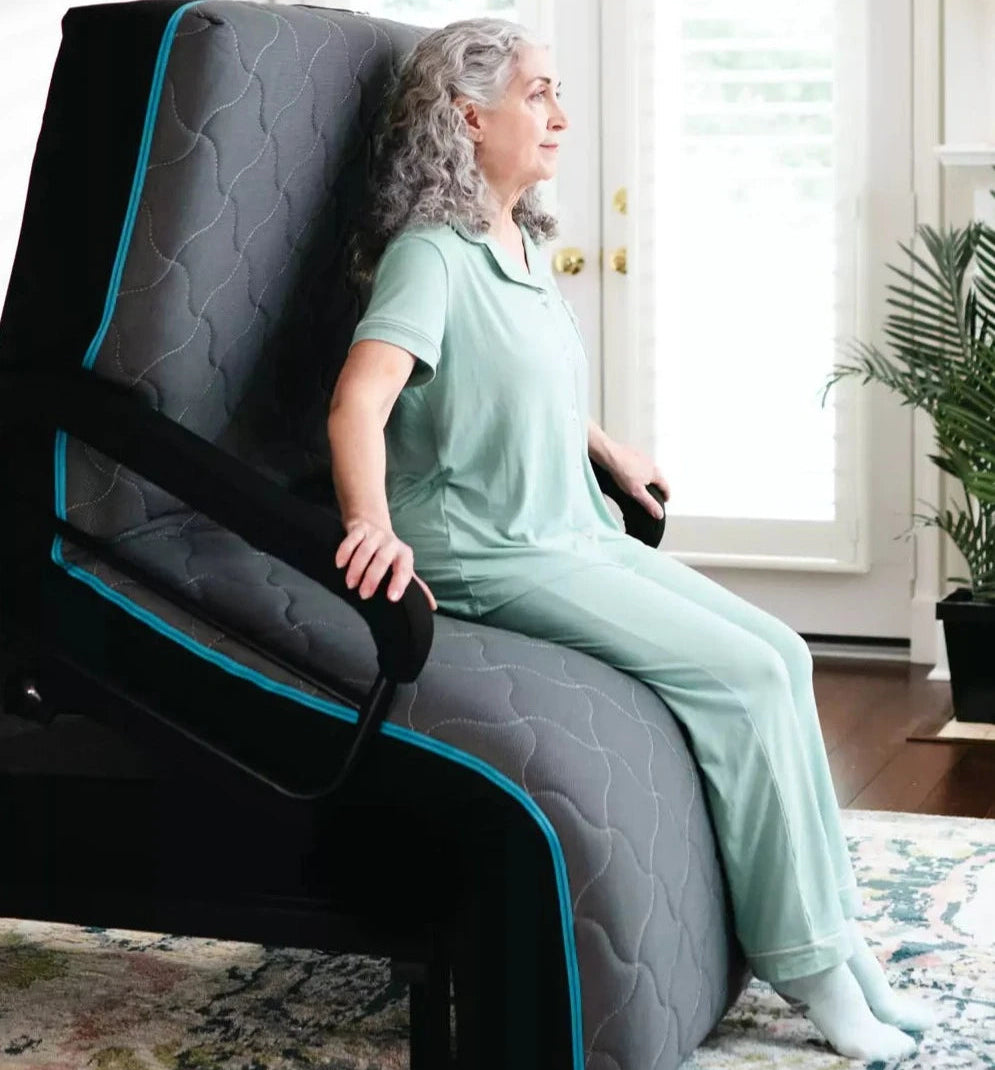
So a hospital bed fits squarely within what VA can provide, and an ordinary bed doesn't. The regulation doesn't mention lift beds, sleep-to-stand beds or adjustable beds by name. Whether a specific bed counts as home medical equipment is a decision VA makes, based on the bed and on the veteran's documented medical needs.
Who is eligible
Under 38 CFR 17.3220, a veteran is eligible for these items and services if both of these are true:
- The veteran is enrolled in VA health care, or exempt from enrollment under VA's rules.
- The veteran is otherwise receiving care or services from VA. The regulation says that if a VA provider, or an eligible community care provider, prescribes the item, the veteran counts as receiving care.
Read 38 CFR 17.3220. In practice, the path starts with a VA clinician who knows the veteran's condition.
The test VA applies
38 CFR 17.3230 says VA will provide home medical equipment and the other listed items when VA determines the item:
- is needed under VA's medical benefits package rules,
- serves as a direct and active component of the veteran's medical treatment and rehabilitation, and
- does not solely support the veteran's comfort or convenience.
Read 38 CFR 17.3230. The medical benefits package rule it points to says care is provided only when appropriate health care professionals determine it is needed to promote, preserve or restore the veteran's health and is in line with generally accepted standards of medical practice. Read 38 CFR 17.38.
That "not solely for comfort or convenience" line is the hurdle for any bed that isn't a standard hospital bed. VA's hospital bed guidance, described below, ties the need for a bed to purposes like positioning, pressure relief and breathing support, so the clinician's notes on those points matter.
Other rules worth knowing
- One home: Home medical equipment is generally provided for one location, the veteran's primary residence, unless VA clinically determines it should go to a different residence instead.
- Owner consent: If the equipment needs installing, the owner of the home must agree first. VA can cover installation only when it doesn't amount to an improvement or structural alteration to the home.
- Ownership or loan: Items generally become the veteran's property once the veteran takes possession, unless VA decides a loan is clinically better. In that case the veteran has to agree to the loan terms.
- Repairs and replacements: VA can repair items it covers and replace them if they're damaged, lost or stolen, or when replacement is clinically indicated. It won't replace a serviceable item that still meets the veteran's needs just to get a newer model.
All four points come from 38 CFR 17.3230, linked above. Home changes like ramps or bathroom work fall under a separate VA program for home improvements and structural alterations (HISA), run through VA's Prosthetic and Sensory Aids Service.
What VA's hospital bed guidance looks at
VA's prosthetics website still posts an older set of clinical practice recommendations for prescribing electric hospital beds for home use. It describes a veteran as eligible for a full electric hospital bed at home when a permanent or temporary mobility impairment keeps them from using a conventional bed for pressure relief, breathing support or positioning. It lists severe arthritis and lower-limb injuries such as a fractured hip, severe cardiac conditions, multiple limb amputation, stroke and other severely debilitating conditions among the example diagnoses, and it says requests for anything other than a standard full electric hospital bed are referred to VA Central Office for approval, with the prescribing clinician supplying the clinical evidence. Read VA's hospital bed clinical recommendations (PDF).
Because that document is older, ask your VA team which criteria and forms your facility uses today. Its main point still helps: VA starts from a standard hospital bed, and anything different needs a clinical case.
If you have both VA health care and Medicare
VA.gov says you can use VA health care along with other coverage like Medicare, Medicaid or private insurance, and that you choose which benefits to use each time you get care. To use VA benefits, you get care at a VA location or with VA's advance authorization. VA also says it doesn't bill Medicare or Medicaid. Read how VA health care works with other insurance.
That means a bed requested through VA follows VA's rules, and a bed requested through Medicare follows Medicare's. Our guides on whether Medicare covers beds and whether Medicaid pays for a lift bed explain those programs.
Aid and Attendance and Housebound benefits
Separately from VA health care, some veterans and survivors who get a VA pension can qualify for extra monthly payments. VA.gov says Aid and Attendance may apply if, among other qualifying situations, you need another person's help with daily activities like bathing, feeding and dressing, or you have to stay in bed, or spend a large part of the day in bed, because of illness. The Housebound allowance may apply if you spend most of your time at home because of a permanent disability, and you can't get both at once. These are added to a monthly pension; they aren't an equipment benefit. Read VA's Aid and Attendance and Housebound page.
Questions to ask before you buy
Bring these to the veteran's VA primary care provider, or to the local Prosthetic and Sensory Aids Service office, which VA says you can reach through its facility locator:
- Is the veteran enrolled in VA health care, and does a VA or community care provider need to prescribe the bed?
- Would VA provide a standard hospital bed for this condition, and what would it take to request a different type, such as a lift bed or sleep-to-stand bed?
- What should the clinician document about positioning, pressure relief or transfers in and out of bed?
- Which forms and approvals does this facility use for non-standard beds?
- Would the bed belong to the veteran or be on loan, and who handles delivery, setup and repairs?
- Will VA pay for a bed the family buys on its own, or only for equipment VA orders through its own vendors?
- If VA says no, how do we get the decision in writing and ask for a review?
Get the answers in writing before anything is ordered, especially to the question about buying on your own.
Other ways families pay for a bed
If VA won't provide the bed you want, some families pay with a health savings account or flexible spending account. Our guide on using an HSA or FSA for a lift bed explains the IRS rules. For broader help arranging care at home, see how to get help for an elderly parent.
Related reading
Still sorting out the options? Read how a sleep-to-stand bed differs from an adjustable base and devices that help the elderly get out of bed. To compare models and current pricing before you talk with the VA team, browse the EZLift Bed, EzLift Deluxe, Elevra Rotating Bed and Hi-Lo Pro product pages.
Written by the EzLift Team, EzLift's organizational authorship team. Sources checked October 18, 2026, including the current text of 38 CFR 17.38, 17.3210, 17.3220 and 17.3230, the December 28, 2020 final rule in the Federal Register, VA's Prosthetic and Sensory Aids Service site and VA.gov. This guide offers general information about federal VA rules; it is not legal, benefits or medical advice and has not received benefits-professional review. VA's decision, based on the veteran's eligibility and medical needs, determines what it provides.