




Caregiver Burnout: Symptoms, Stages and Where to Get Help
Quick answer: Caregiver burnout is physical, emotional and mental exhaustion that can happen while you care for someone else. Cleveland Clinic lists signs such as exhaustion, pulling away from people, losing interest in things you enjoyed, sleep and appetite changes, trouble concentrating, getting sick more often, and irritability. Help includes talking to your doctor, a support group, respite care, and the Eldercare Locator at 1-800-677-1116. If you feel overwhelmed or think about hurting yourself, call or text 988.
What is caregiver burnout?
Cleveland Clinic defines caregiver burnout as "a state of physical, emotional and mental exhaustion that can happen when you dedicate time and energy to manage the health and safety of someone else." It says burnout can affect a person physically, psychologically, financially and socially. (Cleveland Clinic)
Caregiving is common. The 2025 Caregiving in the US report from AARP and the National Alliance for Caregiving counts 63 million family caregivers in the U.S. It found that one in five caregivers report poor health, and that more than 40% provide high-intensity care. (AARP)
Caregiver burnout symptoms
Cleveland Clinic says the signs of caregiver burnout "are similar to those of stress and depression." Its list:
- Emotional and physical exhaustion
- Withdrawal from friends, family and other loved ones
- Loss of interest in activities you used to enjoy
- Feeling hopeless and helpless
- Changes in appetite, weight or both
- Changes in sleep patterns
- Being unable to concentrate
- Getting sick more often
- Irritability, frustration or anger toward others
The National Institute on Aging (NIA) has a similar list of caregiver stress signs. It adds a few that are easy to miss: not having enough time to exercise or make healthy food for yourself, skipping showers or other personal care such as brushing your teeth, and misusing alcohol or drugs, including prescription medications. (NIA)
What burnout can feel like
Cleveland Clinic describes feelings that often come with burnout: anxiety or fear of doing something wrong, anger or frustration when care isn't accepted or appreciated, denial about how serious the person's condition is, guilt about taking time for yourself, negativity, and feeling alone. It says these feelings are normal, but it's important not to act on them in a way that could hurt yourself or someone else. (Cleveland Clinic)
Are there stages of caregiver burnout?
Not officially. Cleveland Clinic and the NIA describe signs and symptoms, not stages, and neither page we checked sets out a staged model. The NIA does stress acting early: "Don't wait until you are completely overwhelmed. Learn what your own warning signs are and take steps to minimize sources of stress where possible." (NIA)
One way to use these signs is to sort them by how soon they need a response:
| What you notice | What to do |
|---|---|
| Tiredness, poor sleep, no time for meals, exercise or your own checkups | Ask for help with specific tasks and book a break (see below) |
| Signs that last, such as hopelessness, withdrawal or getting sick more often | See a healthcare provider, social worker or mental health professional, as Cleveland Clinic advises |
| Resentment toward the person, or a feeling that you may hurt them | Reach out for help immediately: a friend or relative, a healthcare provider, a social worker or a mental health professional |
| Feeling overwhelmed, needing someone to talk to, or thoughts of hurting yourself or suicide | Call or text 988, the Suicide and Crisis Lifeline, available 24/7 in the U.S. |
The last two rows come straight from Cleveland Clinic's guidance. (Cleveland Clinic)
What causes caregiver burnout?
Cleveland Clinic says burnout happens when you put so much of your time, energy and resources into caring for someone else that you neglect your own care. Other factors it lists:
- Role confusion: it can be hard to separate being a caregiver from being a spouse, child or friend.
- Varied expectations: caregiving can be rewarding and stressful at the same time.
- Lack of control: not enough money, resources or skills to plan and manage care.
- Too many responsibilities: seeing the role as yours alone, even when it is too much for one person.
- Not realizing burnout is happening: many caregivers can't recognize it.
It adds that you may be at higher risk if you don't have a support system to relieve you when you're tired, or if you feel you're the only one who can do the job. (Cleveland Clinic)
Caregiver burnout vs. compassion fatigue
Cleveland Clinic separates the two. It describes caregiver burnout as deep exhaustion and stress after caring for another person. Compassion fatigue "occurs when a caregiver takes on the emotional stress and trauma of a person within their care," and it causes a lack of empathy or care for that person. The two can happen at the same time. (Cleveland Clinic)
Where to get help for caregiver burnout
- Your doctor. The NIA suggests telling your doctor that you are a caregiver. Health care professionals may also know about support groups, respite care and other local resources. (NIA)
- A counselor. If you feel anxious, frustrated or depressed, the NIA suggests asking your doctor for a referral and checking what your health plan covers.
- The Eldercare Locator. This public service of the Administration for Community Living connects older adults and their families with local services. Call 1-800-677-1116 or visit eldercare.acl.gov.
- Respite care. Cleveland Clinic describes respite care as a temporary break for primary caregivers, from a few hours to several weeks, at home, in a facility or at an adult care center. The ARCH National Respite Locator can help you find respite through your state's respite coalition or Lifespan Respite program. Our respite care booking and handover checklist walks through setting one up.
- Adult day care. Cleveland Clinic notes these programs offer a place for adults over 65 to socialize, take part in activities and receive needed care.
- A support group. Cleveland Clinic and the NIA both suggest support groups. Our guide on how to choose a caregiver support group compares formats.
- 988 Suicide and Crisis Lifeline. Call, text or chat with a counselor anytime, day or night, at 988lifeline.org.
How to ask family and friends for help
The NIA notes that many caregivers later say they did too much on their own and wish they had asked for more support. Its tips: ask for small things first, send a text or email if asking face to face is hard, match requests to each person's skills and interests, and when someone offers, practice saying, "Thanks for asking. Here's what you can do." (NIA)
Small steps that lower the load
Recovery from burnout takes time, Cleveland Clinic says, and you may need to try several things before you find what helps. These steps come from Cleveland Clinic and the NIA:
- Aim for seven to nine hours of sleep a night, with a regular bedtime routine. (NIA)
- Find something active you enjoy, such as walking, gardening or playing with a pet. Even short periods of exercise can help. (NIA)
- Try a relaxation technique such as meditation, tai chi or yoga. (NIA)
- Set realistic goals, know your limits and accept that you may need help. (Cleveland Clinic)
- Eat well, and accept negative feelings as normal. Feeling them doesn't make you a bad caregiver. (Cleveland Clinic)
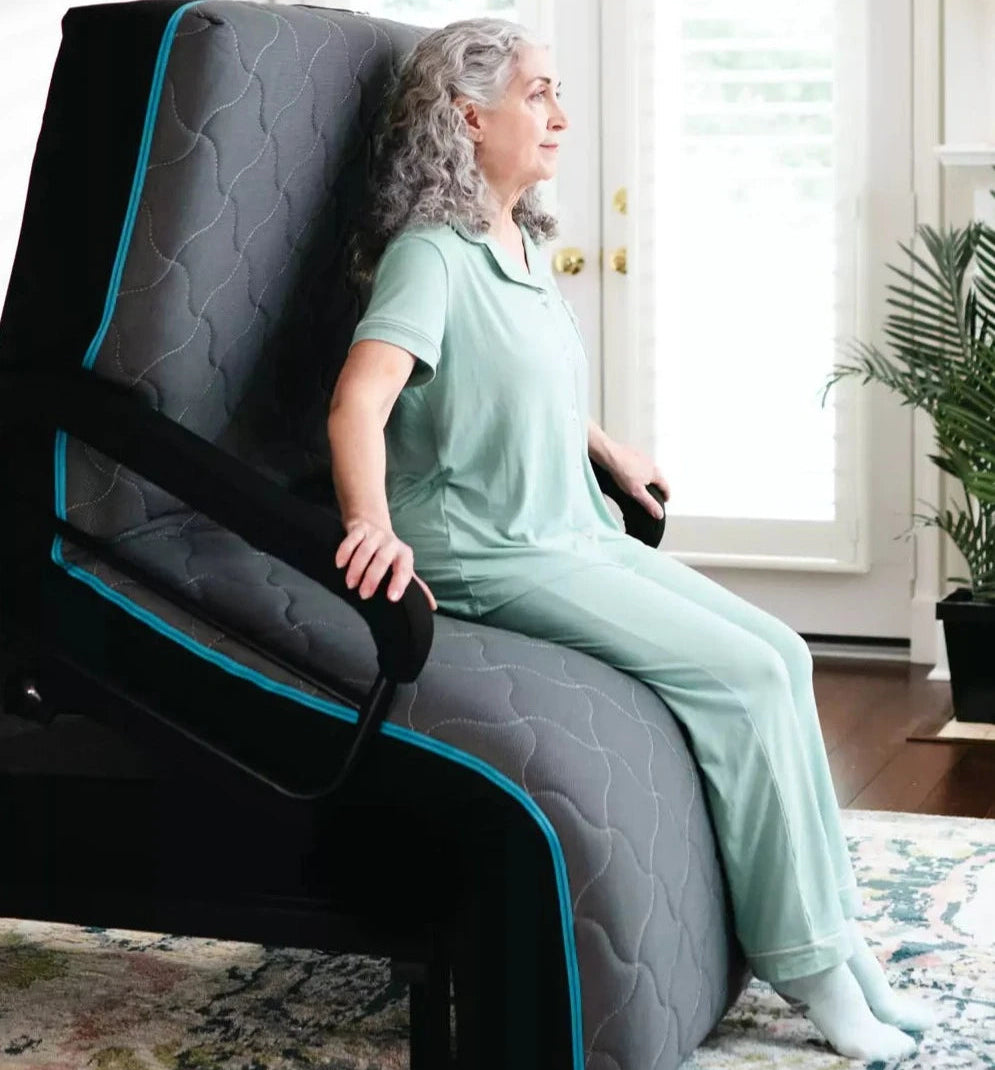
Some caregiving work is physical, such as helping someone out of bed. If that is part of your day, our guides to caring for elderly parents at home and beds for seniors with mobility issues may help. If care at home is no longer working, see assisted living vs. nursing home.
FAQ
What are the first signs of caregiver burnout?
Cleveland Clinic's list starts with emotional and physical exhaustion and withdrawal from friends and family. The NIA adds signs that are easy to overlook, like skipping your own meals, exercise or personal care.
Is caregiver burnout the same as depression?
No, but Cleveland Clinic says the signs are similar to those of stress and depression. It also says stress and depression are treatable conditions that can get worse with burnout, so see a healthcare provider if you have severe stress or depression.
Can caregiver burnout be prevented?
Cleveland Clinic suggests talking with someone you trust, setting realistic goals, learning about the person's condition, taking care of your own needs, eating well and accepting your feelings. Regular breaks through respite care also help.
Who can I call for caregiver help?
The Eldercare Locator (1-800-677-1116) connects older adults and their families with local services. If you are in crisis, call or text 988.
Sources
- Cleveland Clinic, "Caregiver Burnout" (medically reviewed, last updated 08/16/2023): https://my.clevelandclinic.org/health/diseases/9225-caregiver-burnout
- National Institute on Aging, "Taking Care of Yourself: Tips for Caregivers" (content reviewed October 12, 2023): https://www.nia.nih.gov/health/caregiving/taking-care-yourself-tips-caregivers
- AARP and National Alliance for Caregiving, Caregiving in the US 2025 (published July 24, 2025): https://www.aarp.org/pri/topics/ltss/family-caregiving/caregiving-in-the-us-2025/
- Administration for Community Living, Eldercare Locator: https://eldercare.acl.gov/
- ARCH National Respite Network and Resource Center, "Find a Respite Provider": https://archrespite.org/caregiver-resources/respitelocator/
- 988 Suicide and Crisis Lifeline: https://988lifeline.org/
Written by the EzLift Team, EzLift's organizational authorship team. Last reviewed November 3, 2026. This guide offers general information; it is not medical or mental health advice. For emotional crisis support, call or text 988.